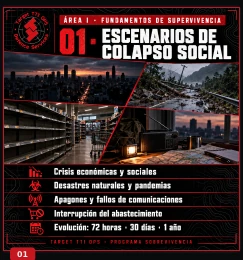
Module 01
Social collapse scenarios
Economic and social crises, conflict, pandemics, disasters, blackouts and supply disruption.
International experience. Uncompromising readiness.
Operational knowledge base · Integrated survival.
Security and defence knowledge applied to anticipating crises, making decisions and remaining autonomous when essential services fail.
View the 22 modules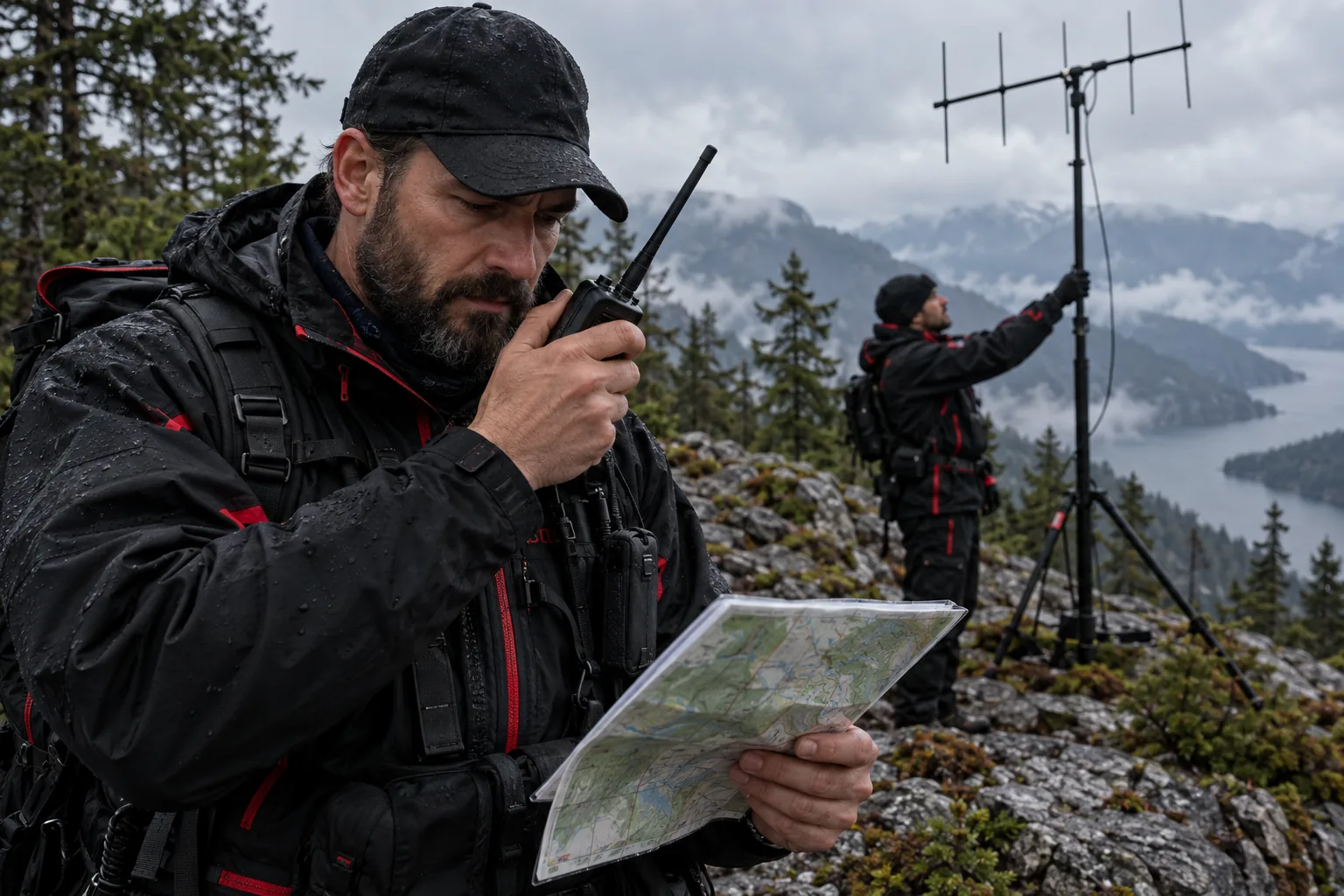
TTI OPS remains a security and defence consultancy. Sobrevivencia TTI turns that experience into practical, multidisciplinary training delivered in a structured and professional way.
360° knowledge
Five knowledge areas working together in a crisis.
Sobrevivencia TTI · Complete programme
Training to anticipate crises, protect life, preserve autonomy and organise recovery.
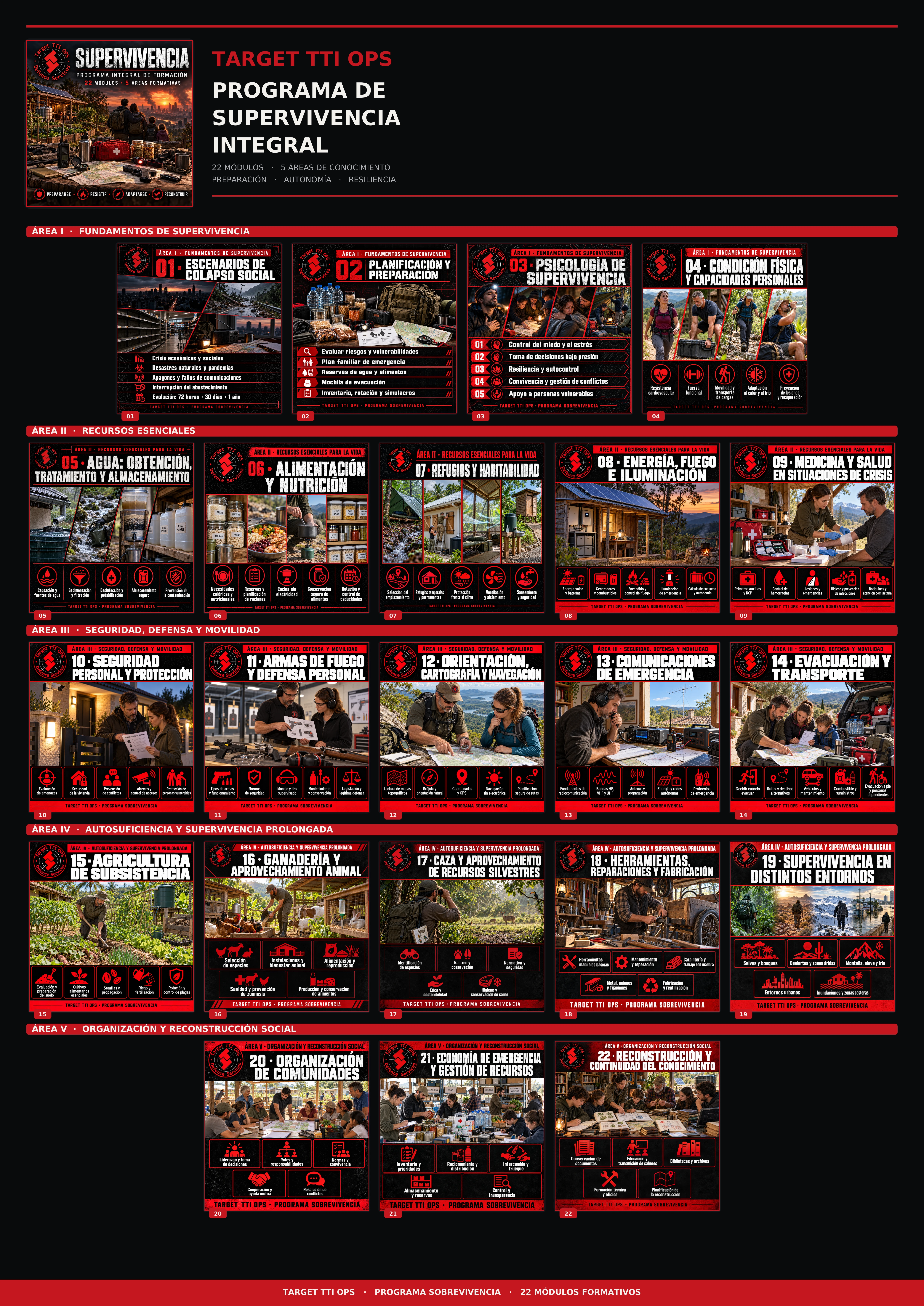
Mental, physical and organisational readiness.
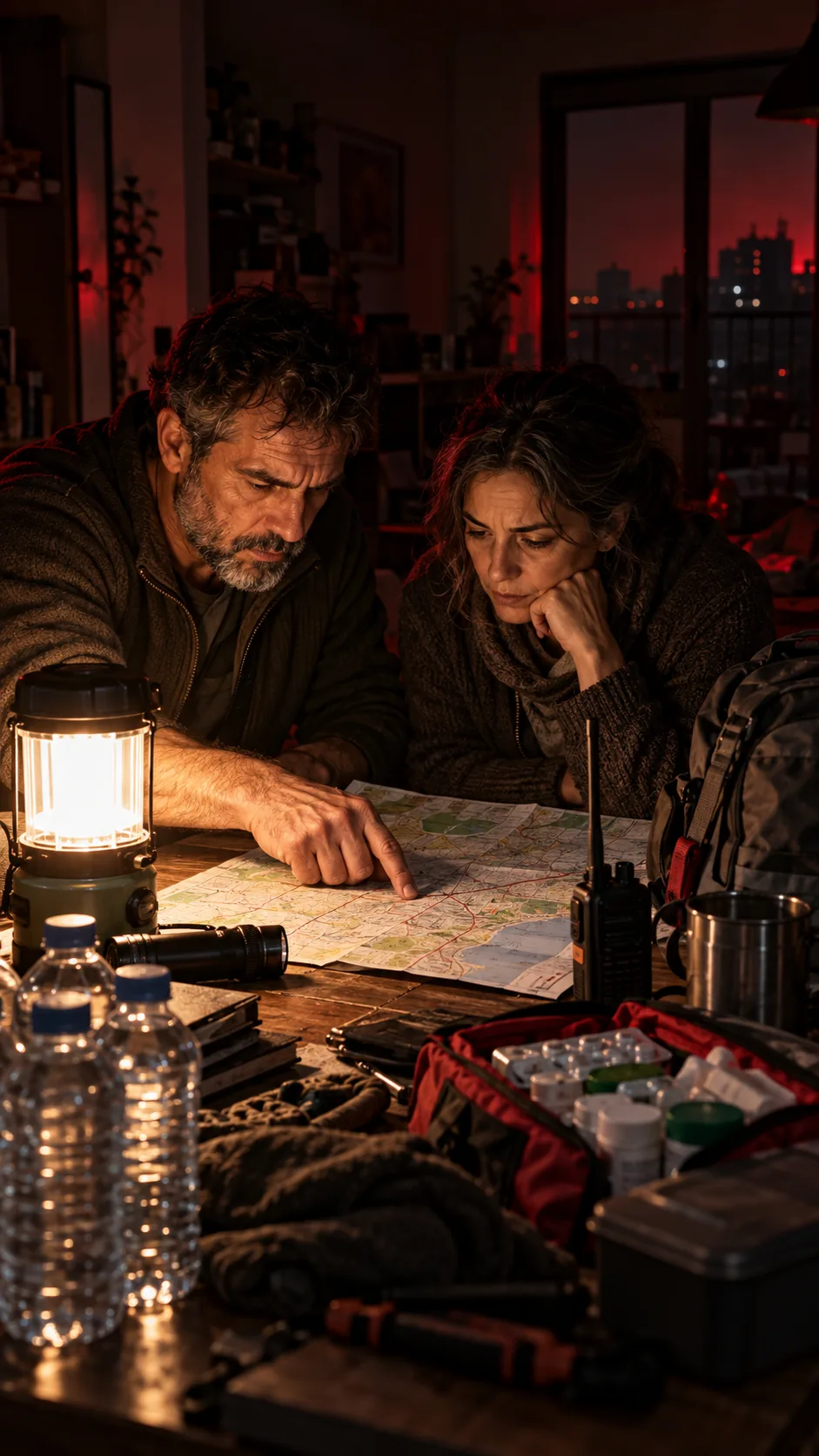
Module 01
Economic and social crises, conflict, pandemics, disasters, blackouts and supply disruption.
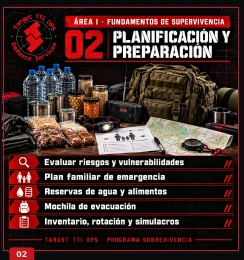
Module 02
Risk assessment, family plans, reserves, equipment, evacuation and drills.
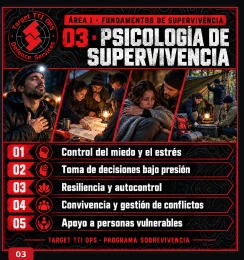
Module 03
Stress, fear, self-control, resilience, decision-making and coexistence.
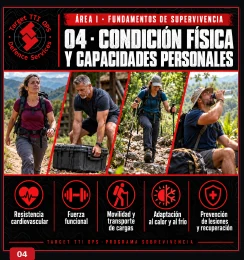
Module 04
Endurance, functional strength, mobility, environmental adaptation and injury prevention.
Obtaining, preserving and managing vital resources.
Module 05
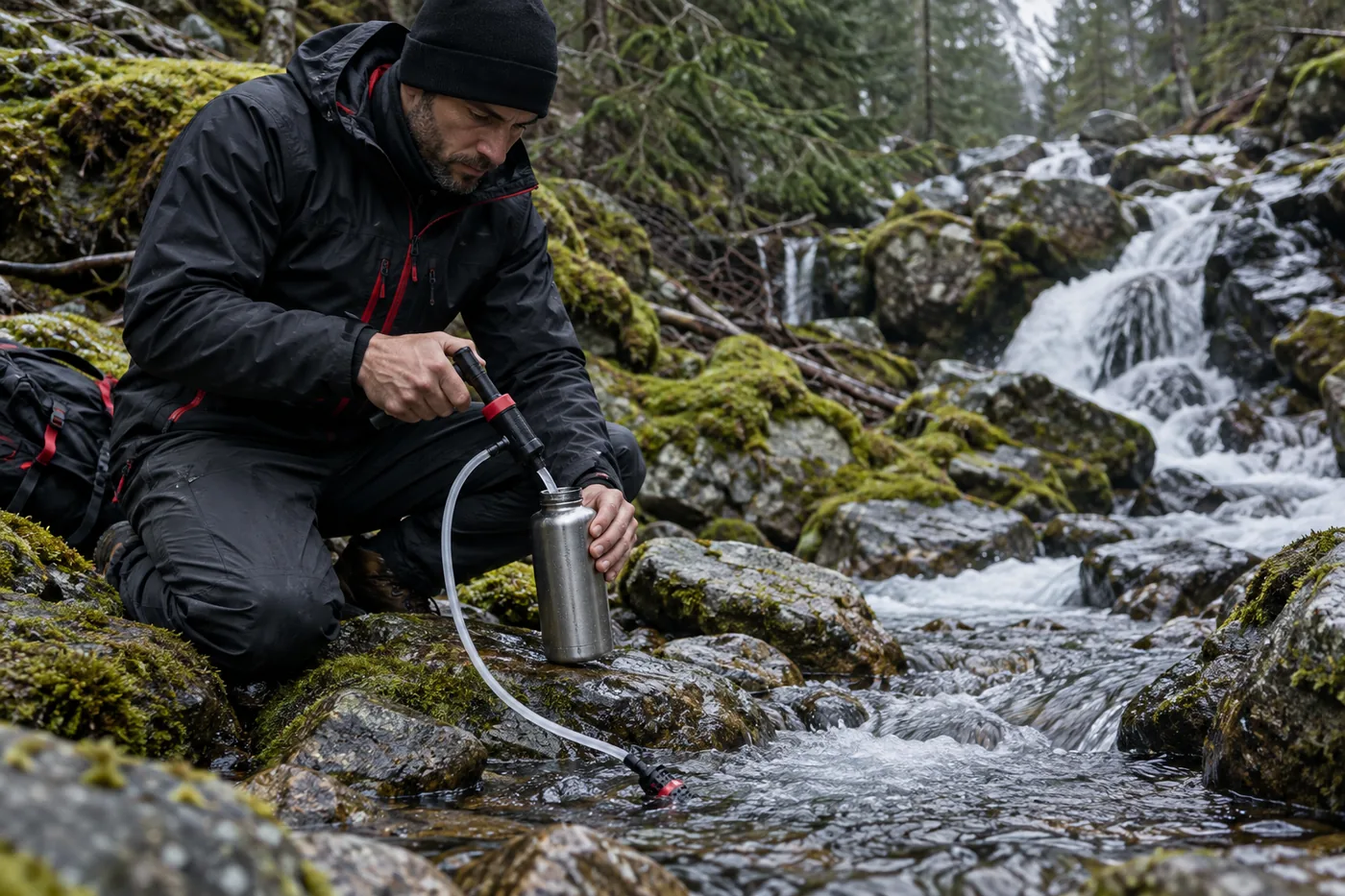
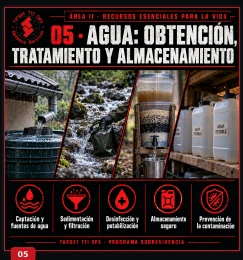
Collection, filtration, disinfection, storage and contamination control.
Module 06
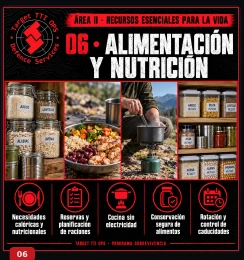
Nutritional needs, reserves, emergency cooking and food preservation.
Module 07
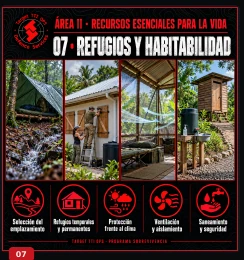
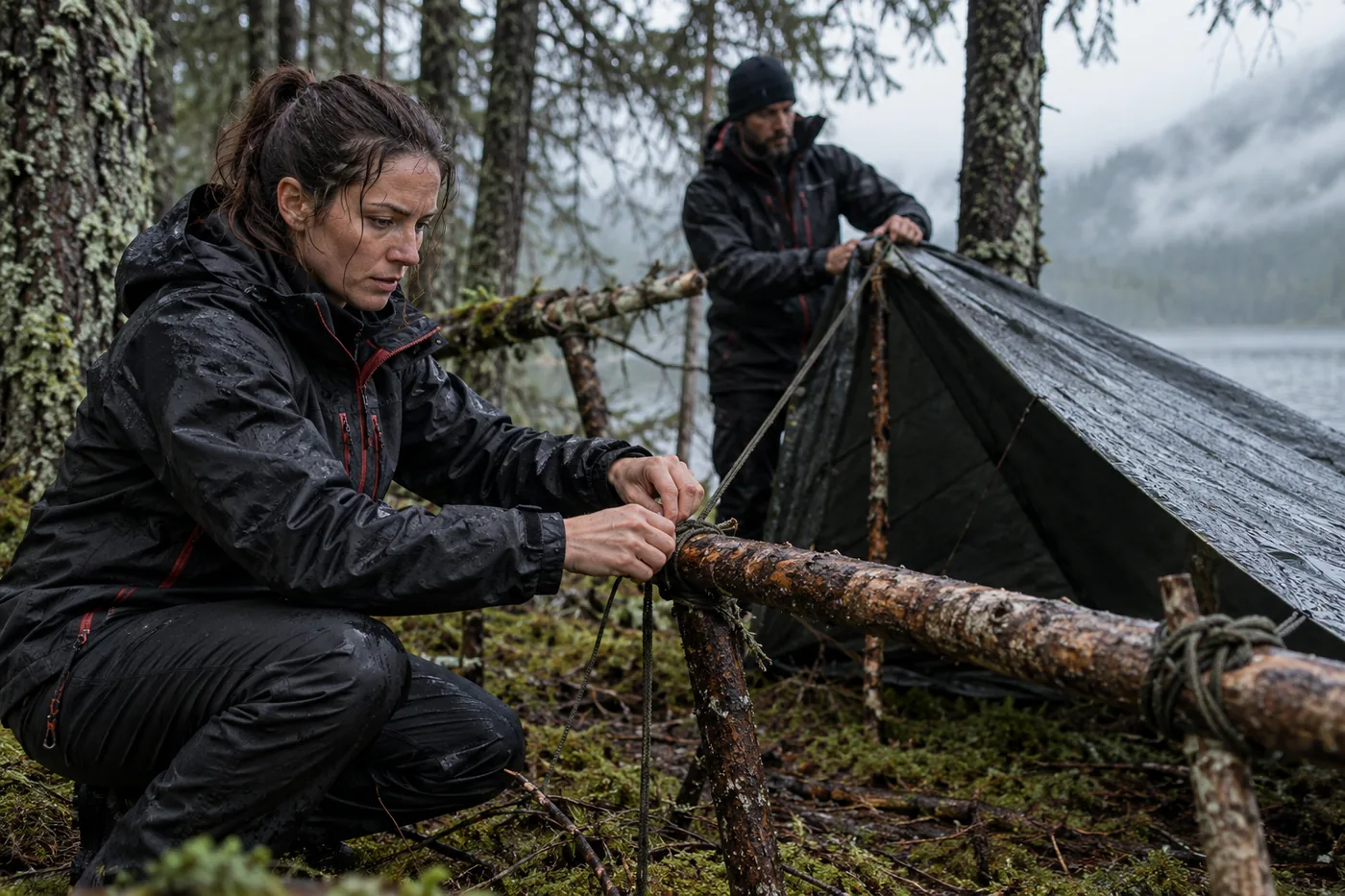
Temporary shelter, insulation, ventilation, sanitation and site safety.
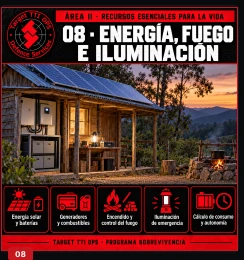
Module 08
Solar power, batteries, generators, fuels, fire and electrical consumption.
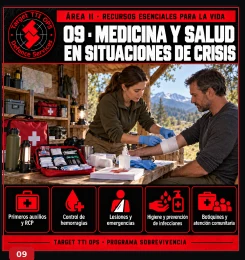
Module 09
Emergencies, bleeding, injuries, infection, hygiene and prevention.
Protection, communications, navigation and safe movement.
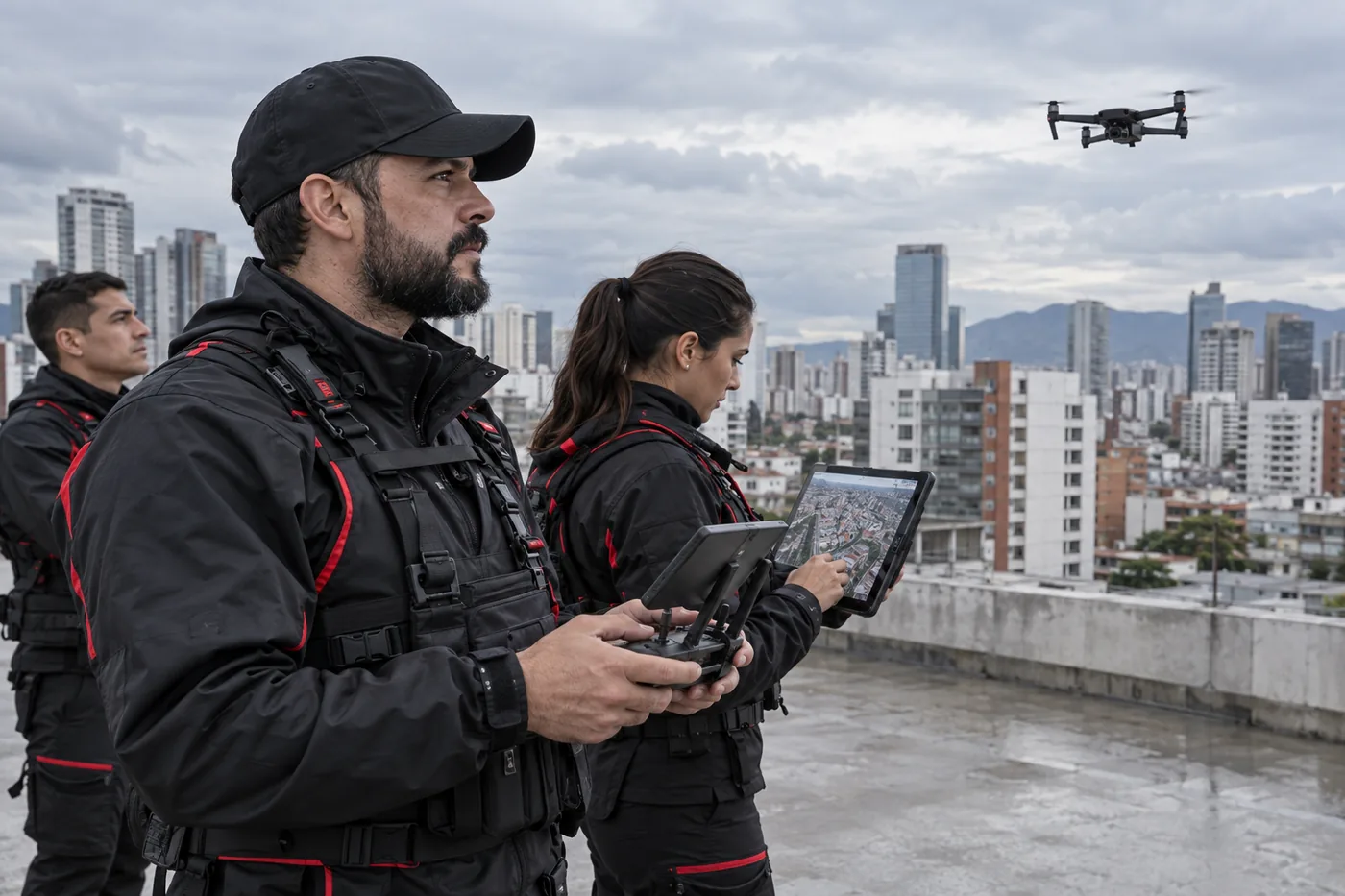

Module 10
Threat assessment, home security, prevention and conflict de-escalation.

Module 11
Types, operation, maintenance, safety, law and supervised professional training.
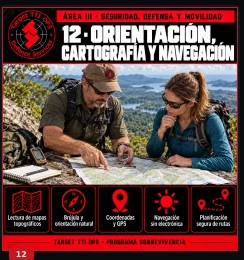
Module 12
Maps, compass, GPS, non-electronic navigation and route planning.
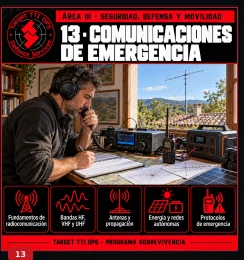
Module 13
HF, VHF, UHF, LoRa, amateur radio, antennas, autonomous networks and satellite links.
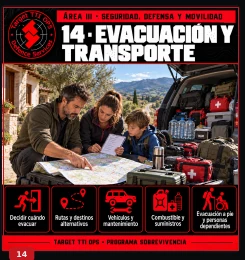
Module 14
Vehicles, fuel, routes, travel on foot and adaptation to different environments.
Sustainable resource production and long-term autonomy.
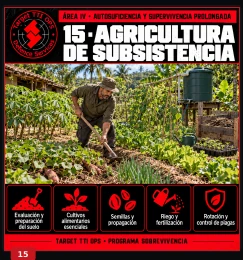
Module 15
Urban and rural growing, soil, seeds, fertilisation, irrigation and food production.
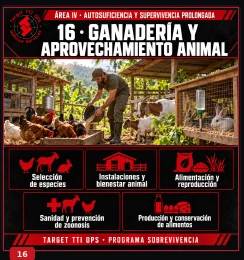
Module 16
Species, facilities, breeding, feeding, health and animal welfare.
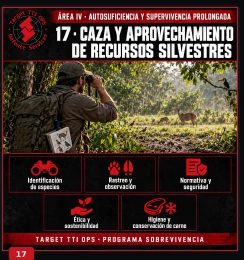
Module 17
Wildlife, tracking, law, safety, hygienic use and conservation.
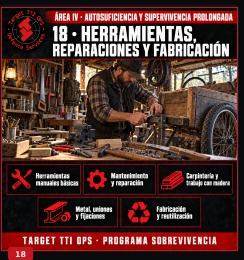
Module 18
Carpentry, metalwork, electricity, plumbing, mechanics and material reuse.
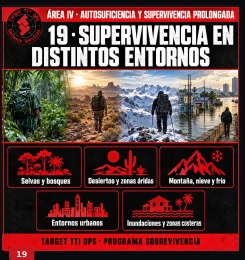
Module 19
Urban areas, jungle, forest, mountains, desert, coast and extreme climates.
Restoring cooperation and social structure after a crisis.
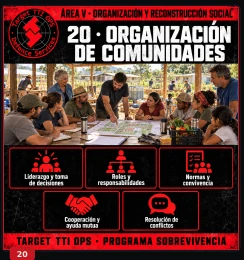
Module 20
Leadership, responsibilities, coexistence, collective work and cooperation.
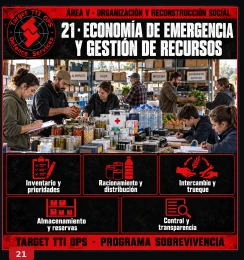
Module 21
Barter, exchange, inventories, asset management, production and distribution.
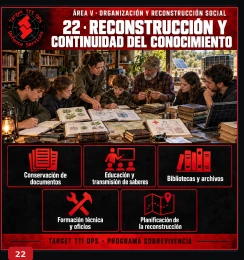
Module 22
Restoring services, education, infrastructure, libraries and social organisation.
Next intake